Maa Council of Elders
History of the Elders Council
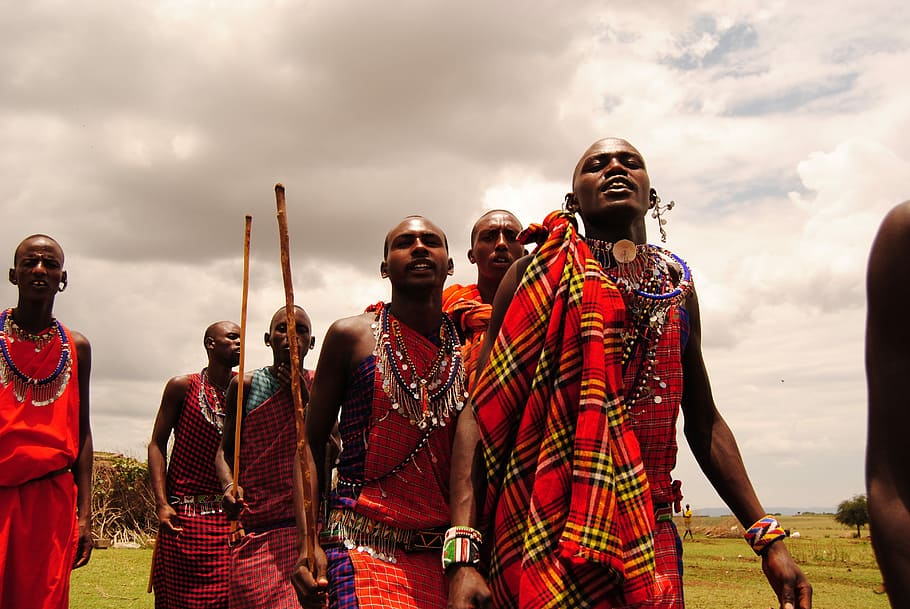
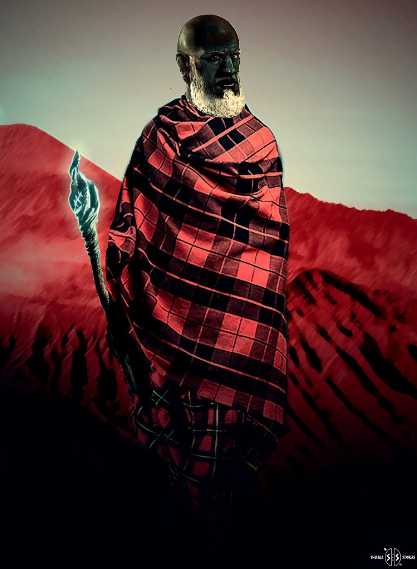
While we Maa people continue to learn and change as we always have, we hold to and honour the wisdom and traditions of our Elders. So on this page we remember, with the artist’s rendering above, our great elder Mbatiani, personally known to the grandparents of the eldest Maa people living today. He was the direct descendant of Ole Masinta, the original founder of the Maa, far back in the dawn of humanity in East Africa.
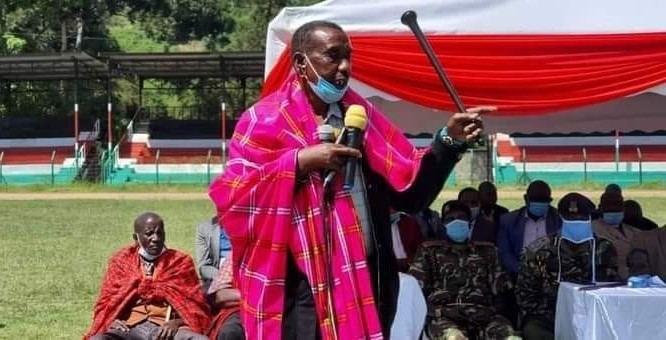
We Maa people have always had our own structure of governance. This begins with our Council of Elders. The Maa Council of Elders is made up of all the elders of the Maa living in Kenya, and is now led by its Chairman Kelena Ole Nchoe of Narok, shown in the photo at left, and by an Executive Council made up of senior elders from the communities of Maasailand in Kenya (see the Executive Council page). The Maa have been an organised community from time immemorial. We encourage our young people to get an education and also to hold onto their language and culture, and to preserve the natural world on which we all depend, just as we have done. Our community structure is based on age-sets, which can be likened to generations.
We endow with authority the Loibon, the community's oracles, and the Chiefs who lead their age-sets. Also important are the morans or young warriors. In traditional times, morans were the military for the community and would serve in turns in intervals of 8 to 10 years before they aged out of this role and married, paving way for the next age-set to become morans. The warrior role is de-emphasized now, and education is the morans’ priority, armed with which they can strengthen their future families and community when they mature. As the Council of Elders, we carry, guide and preserve our traditions of culture and wisdom through time for the benefit of the entire community.
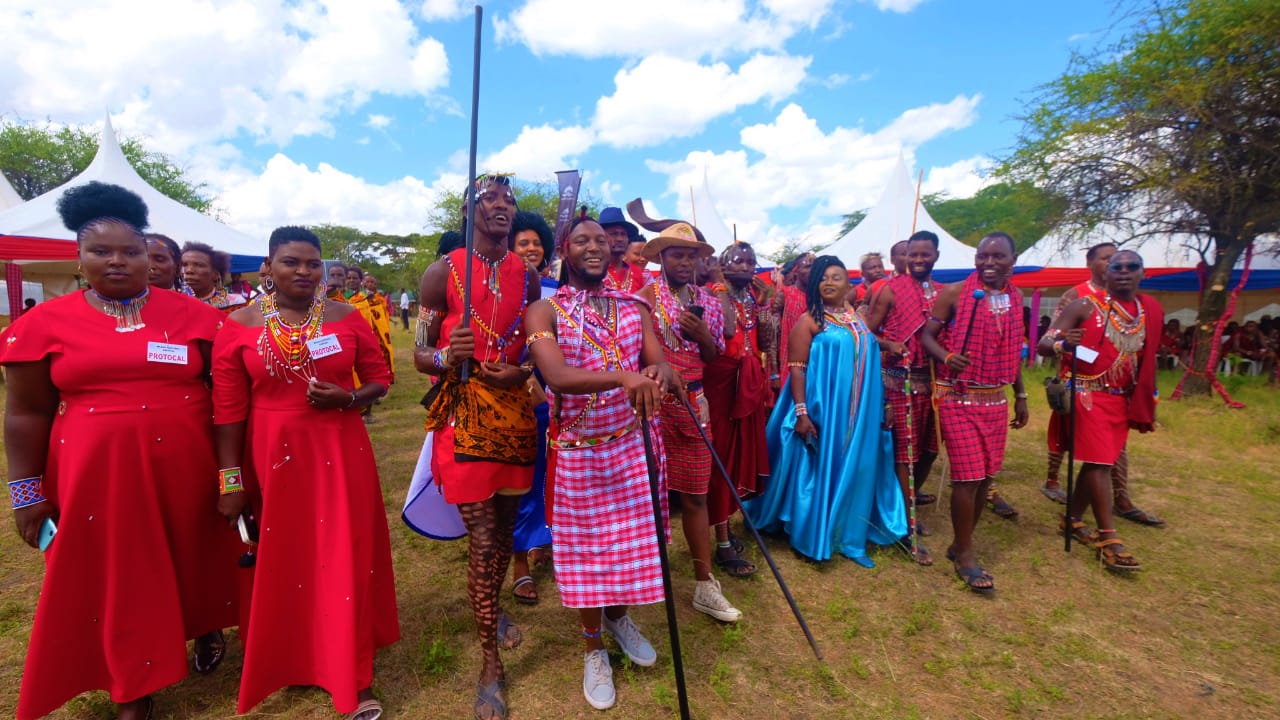
Who are we, the Maa People?
We Maa people have a history that is far older than that of many world peoples, stretching back to the first people who existed. The Maa language is one of the languages in the Nilotic family of African languages. We migrated down the Nile valley from Ethiopia and Sudan sometime around 1600 AD, along the route of lakes Chew Bahir and Turkana, bringing our cattle with us. We came to what we now call Maasailand, which lies within the boundaries of two new, modern nations: central and south-western Kenya and northern Tanzania. We are cattle and goat herders, from which we take most of our food: meat, milk, and blood.
In colonial times, the British eventually occupied most of the Maa lands, but signed agreements with us in 1904 and 1911.